
Product Backlog Refinement, Prioritization & Value Stream Flow: The Practical Delivery Guide
How to manage a clean backlog: the raw inventory valve model, DEEP criteria, and killing the 400-ticket Jira graveyard.
Direct Answer / Executive Definition
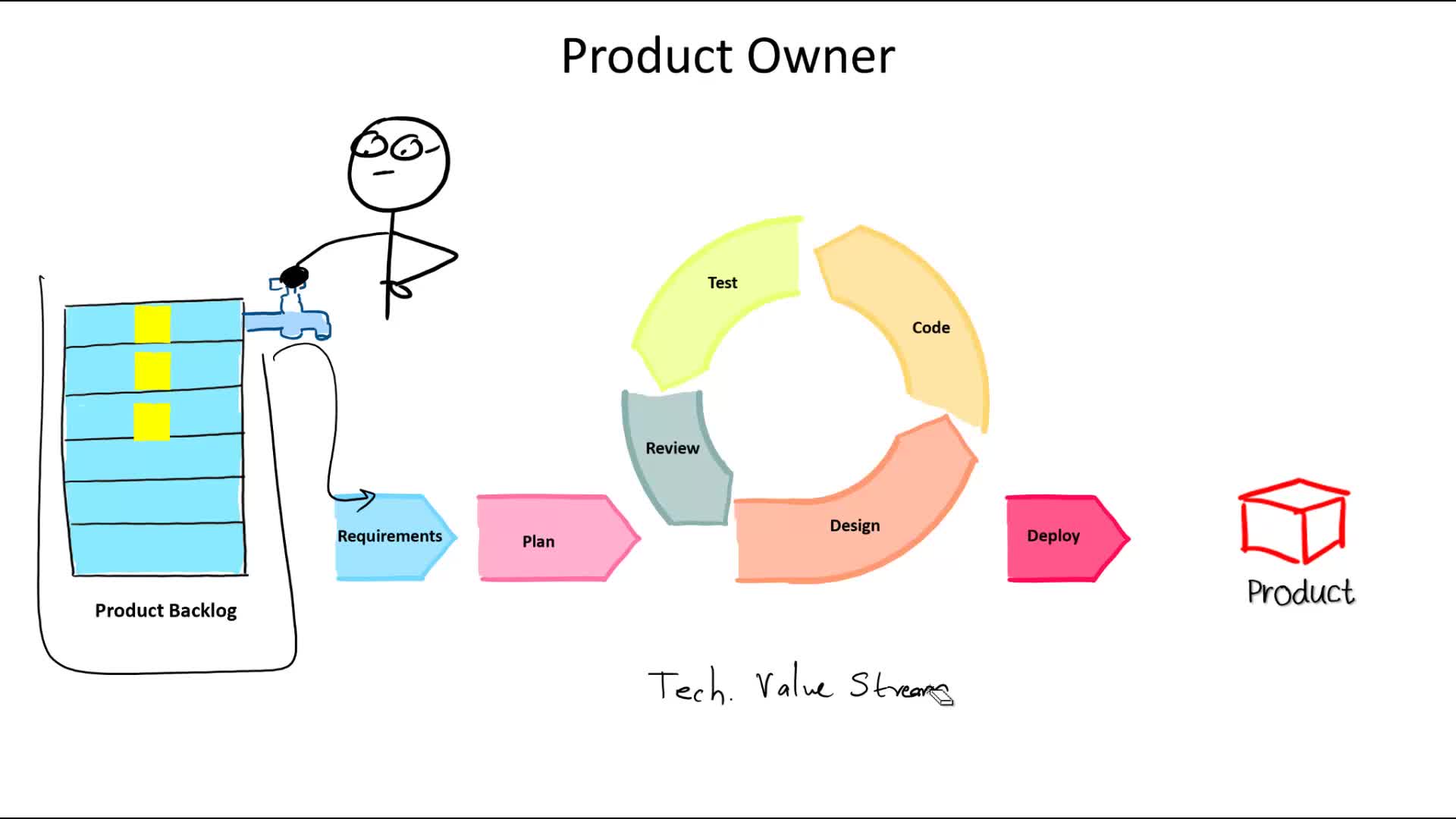
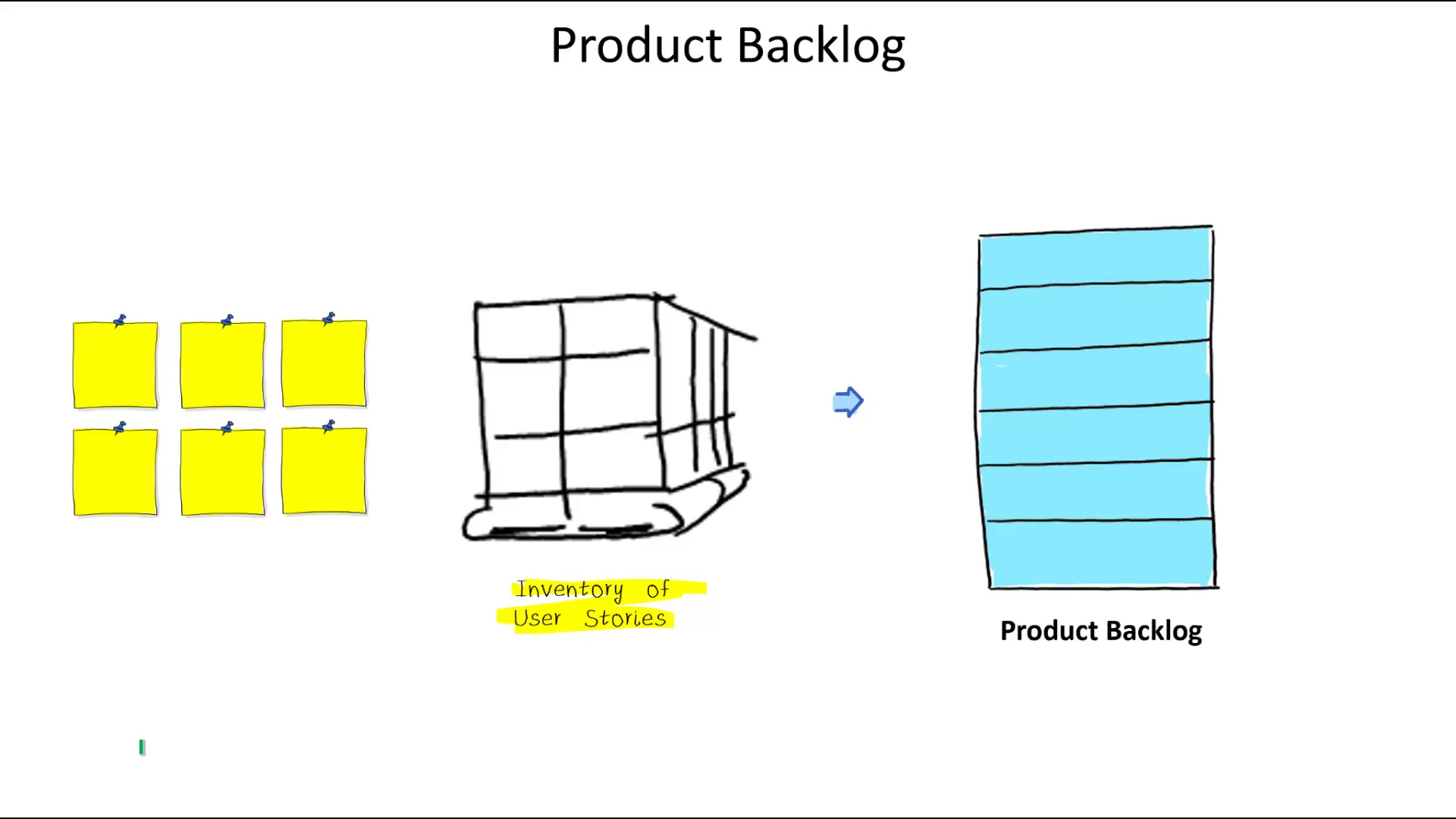
A Product Backlog is not a wishlist, an unconstrained idea hopper, or a Jira graveyard. In practical software delivery, it functions as raw material inventory for your engineering value stream, owned by a single Product Owner. The Product Owner regulates the intake valve, deciding which user stories get refined for immediate construction and which ideas stay parked as coarse epics. High-functioning teams follow the DEEP model: items at the top are broken down into small 1-to-5 point stories with verified acceptance criteria, while lower items remain rough concepts until user telemetry proves they are worth building.
The Mortar & Pestle Story: Why Backlog Flow Control & DEEP Refinement Matter in Agile Delivery
When we kicked off the Mortar & Pestle food app, everyone wanted their pet feature in the initial release. Stakeholders demanded an automated drone delivery system with real-time GPS tracking before we even had basic user login working. The business team dumped a 400-row spreadsheet into Jira, labeling every single item a top priority. No one had agreed on what an order looked like, but the board was already overflowing with uncommitted tickets.
Sprint 1 planning was an immediate disaster. The session dragged on for three hours while developers argued with stakeholders over vague one-line tickets like "integrate payment gateways." Mid-iteration, engineers started guessing technical specifications to hit arbitrary dates. One developer built custom PayPal logic while the backend API expected Stripe tokens, causing the entire checkout flow to crash during the sprint review. Morale cratered, delivery velocity dropped to single digits, and the team spent more time defending delays than writing clean software.
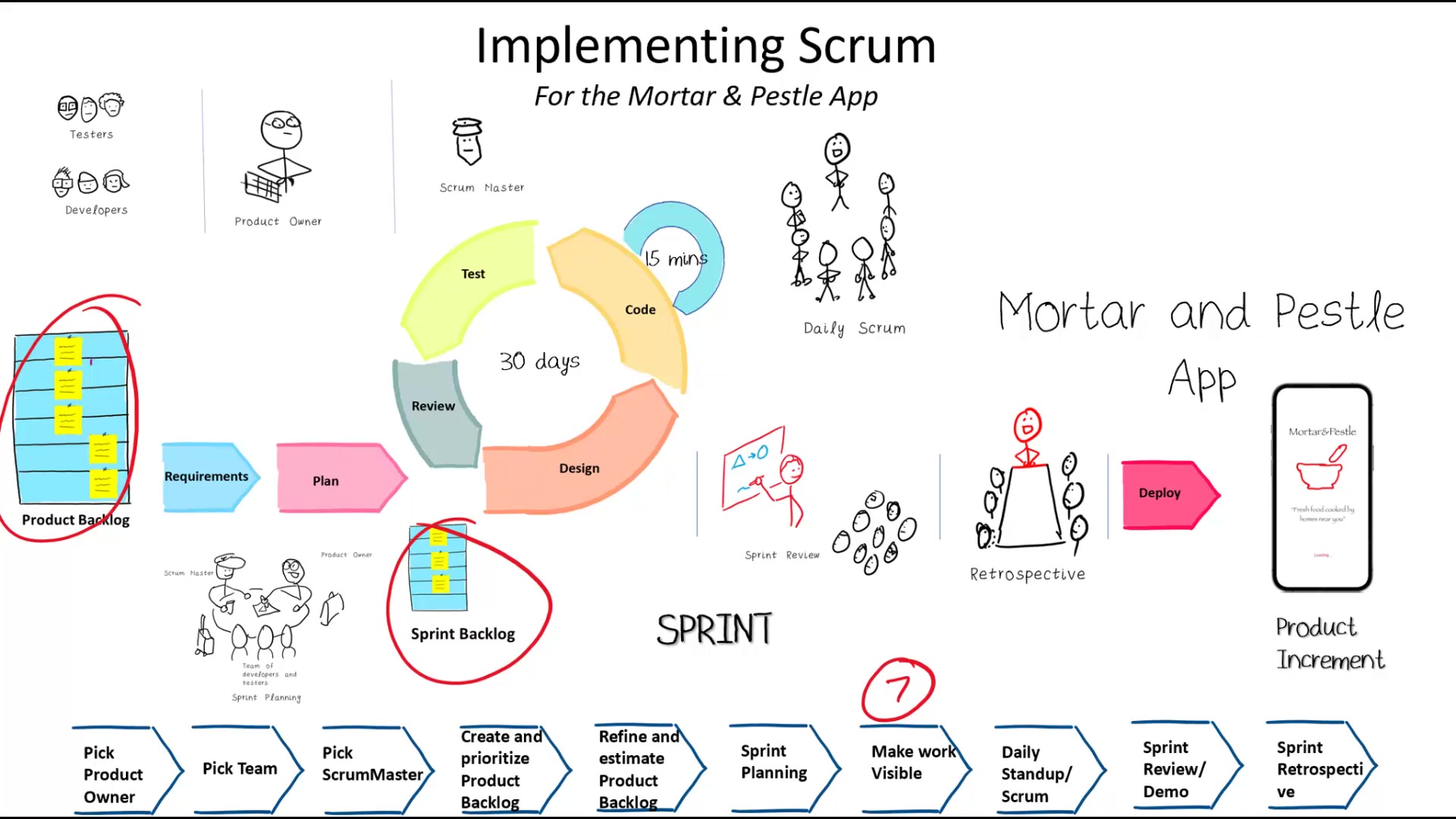
The turnaround started when our Product Owner stopped treating the backlog like a bottomless wishlist and started treating it like a physical manufacturing line. In physical manufacturing, dumping truckloads of unsorted raw materials onto the factory floor clutters assembly stations, hides defects, and halts production. You need an intake valve. The Product Owner stepped in as the sole operator of that valve. We established a strict rule: raw ideas stay parked in a warehouse inventory pallet, and only the next two sprints get refined into small, measurable user stories following the DEEP model.
The results on Mortar & Pestle were visible within two iterations. Instead of choking on an unestimated 13-point epic for checkout, the team broke user registration and food ordering into atomic 1, 2, and 5-point stories with verified acceptance criteria. Speculative concepts like drone delivery stayed safely parked at the bottom of the stack while paying customers began ordering home-cooked meals. Sprint planning dropped from three contentious hours down to 45 focused minutes, and team velocity doubled.
Treat your product backlog as raw inventory for your engineering value stream, not an idea hopper. Enforce three non-negotiable rules on your team: One, maintain a single prioritized backlog owned by one Product Owner with sole authority over intake. Two, never waste time writing granular acceptance criteria for features more than two sprints away. Three, protect sprint flow by rejecting any ticket that fails to meet your Definition of Ready before planning begins.
Story Decomposition & Fibonacci Estimation in Practice
In the Mortar & Pestle classroom module, we put this refinement model into practice by taking coarse business demands and decomposing them into atomic, testable deliverables before sprint planning begins.
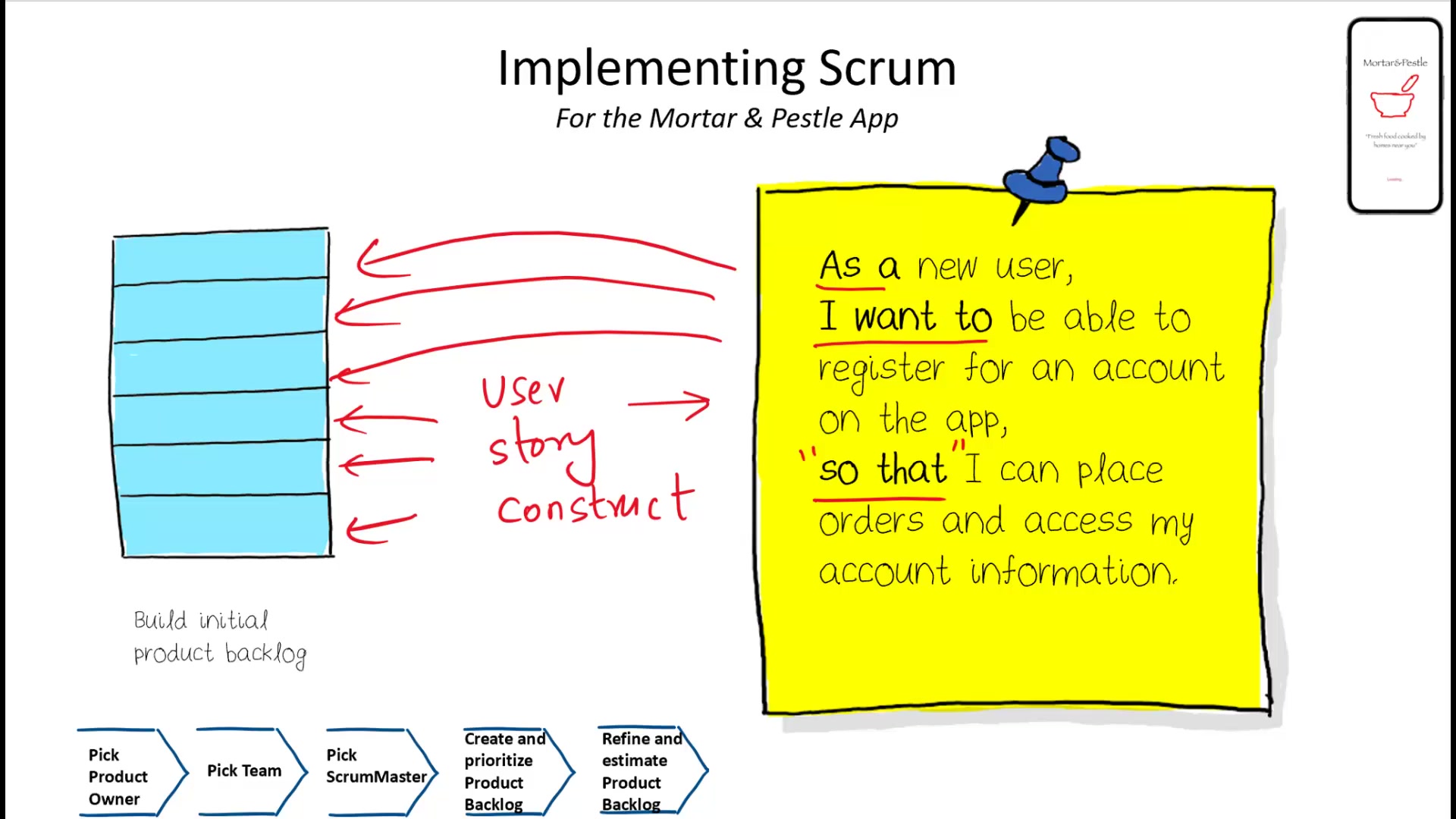
Rather than accepting an unestimated epic like "customer registration," the team broke the feature down into standardized user stories. Each story followed the proven structure: "As a [role], I want to [take an action], so that [I get a specific benefit]." This gave developers and QA engineers a clear scope boundary and three concrete acceptance criteria before writing code.
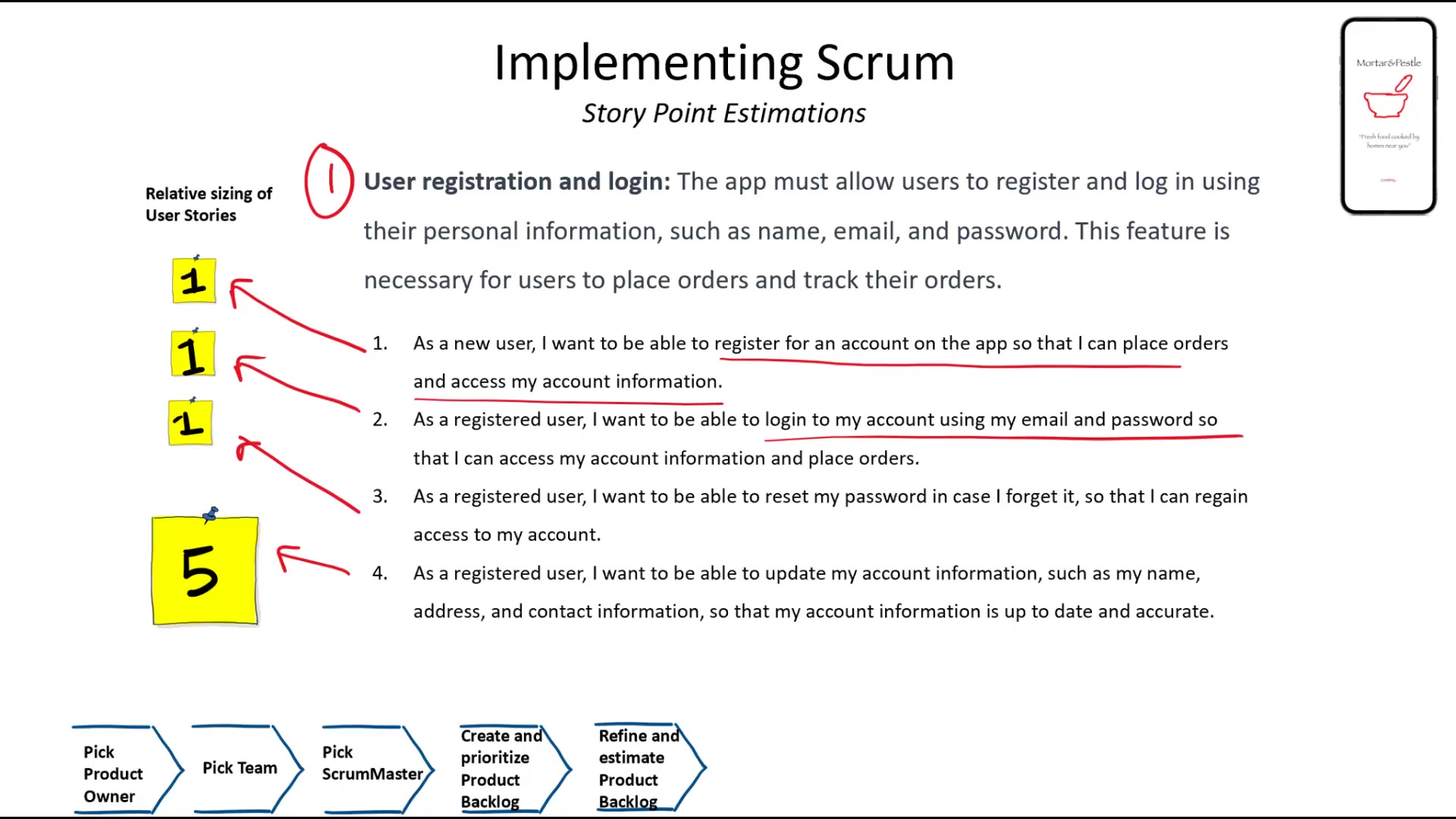
Next came relative estimation. Instead of estimating in days or hours, which invites endless debate and false precision, the engineering team used the Fibonacci sequence (1, 2, 3, 5, 8). Small, routine tasks like logging in or resetting passwords were sized at 1 story point. More complex tasks with database validations, such as updating user account profiles, were sized at 5 points. Any story estimated at 8 or 13 points was immediately flagged as too big and decomposed into smaller units.
By pairing atomic user story constructs with relative Fibonacci sizing, the team established a predictable velocity and ensured that no unrefined work ever crossed into an active sprint.
Core Rules
- One Product, One Backlog: A single software product has exactly one backlog. Splitting work into separate frontend, backend, QA, and security queues guarantees integration failures at release time.
- One Product Owner Controls the Valve: Only the Product Owner decides the rank order of items entering development. Stakeholders can suggest features, but they cannot assign tickets to engineers or jump the queue.
- Never Detail the Bottom of the Stack: Writing acceptance criteria for stories six months away is pure waste. The market will change, customer feedback will invalidate your assumptions, and you will throw that documentation away.
- Non-Functional Work Lives on the Same Board: Technical debt, security hardening, database indexing, and infrastructure upgrades belong on the main Product Backlog. If you hide technical work in an unranked spreadsheet, leadership assumes feature capacity is 100% and system stability collapses.
- Protect Active Sprints from Disruption: Once a sprint starts, the team commits to the Sprint Goal. When an executive walks in with an emergency feature request, the project manager redirects them to the Product Owner to prioritize it for the next iteration.
- No Half-Baked Stories in Sprint Planning: If a user story does not meet the Definition of Ready, it stays out of the sprint. Admitting unrefined work forces engineers to pause development while waiting for business decisions, killing team momentum.
The Mortar & Pestle Story: Why Your Backlog Is an Inventory Problem, Not a Wishlist
How treating your backlog as a regulated value stream valve eliminates the 400-ticket Jira graveyard and doubles sprint velocity.
Related Architectural Concepts & Next Steps
Deepen your mastery with connected topics across our curriculum and knowledge hubs.
Frequently Asked Questions (FAQ)
What is the practical difference between the Product Backlog and the Sprint Backlog?
The Product Backlog is an ongoing list of possibilities owned by the Product Owner that shifts as the business learns. The Sprint Backlog is a fixed work commitment chosen by the development team for a single 2-week cycle to hit a specific Sprint Goal.
Who should attend refinement meetings, and how long should they take?
The Product Owner and the delivery team meet during the iteration, usually spending about one to two hours per week. The goal is simple: review upcoming user stories, ask technical questions, split oversized epics, and ensure the top items meet the Definition of Ready before Sprint Planning begins.
Why do teams confuse the Definition of Ready with the Definition of Done?
Think of them as the gate in and the gate out. The Definition of Ready is the entry gatekeeper that prevents half-baked ideas from entering a sprint. The Definition of Done is the exit gatekeeper that ensures code is reviewed, tested, documented, and deployable before calling a feature complete.
How should a project manager handle an executive demanding an urgent feature mid-sprint on the PMP exam?
Under PMI situational rules, the project manager shields the team and protects the Sprint Goal. You do not stop the sprint or unilaterally add scope. You explain the trade-offs to the executive and route the request to the Product Owner, who evaluates whether to swap it into the next iteration or, in rare cases of emergency, cancel the sprint entirely.
Want complete video breakdowns & exercises?
Explore full step-by-step masterclass training in The Simplest PMP Exam Prep Guide.