

In most enterprise PMOs, risk management degenerates into an uninspired compliance chore—a static 50-row Excel spreadsheet updated 15 minutes before an executive steering committee. This checklist mentality blinds teams to real operational danger. True risk management is not about archiving uncertainties; it is about safely navigating a treacherous landscape to reach your project objective. By modeling risks as pits along your path—varying by diameter (Probability of falling in) and what resides at the bottom (Impact: empty dirt, a rusty nail, a venomous snake, or a hungry bear)—project managers can transform abstract Probability × Impact formulas into clear, instinctive prioritization.
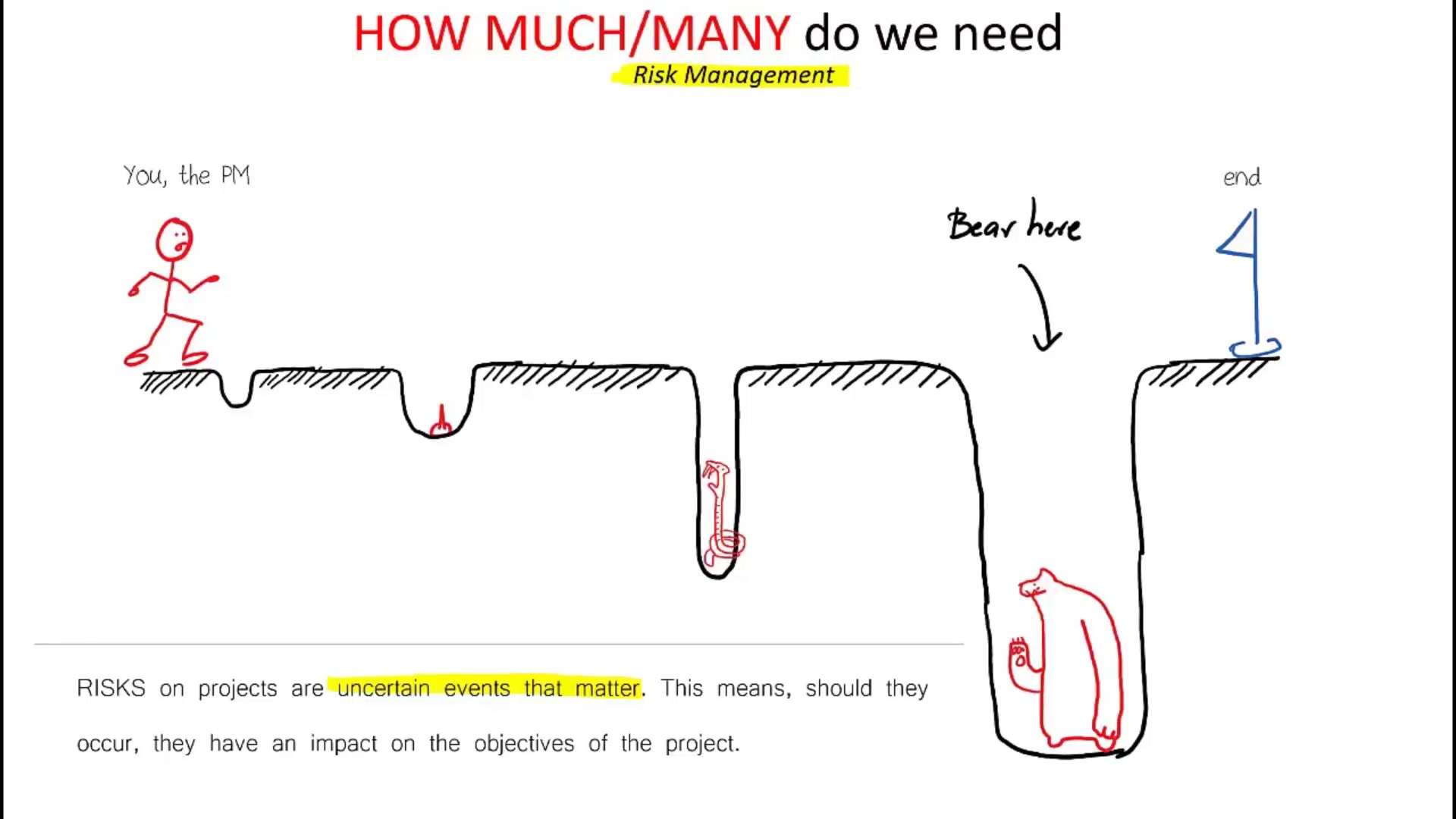
Figure 1: Navigating the Risk Terrain — You, the Project Manager, must lead the team to the finish line while avoiding pits of varying diameters and lethal hazards.
1. The Spreadsheet Graveyard: Why Checklists Kill Risk Intuition #
Ask any engineering lead or project team what happens when the PM opens the Risk Register during a weekly status sync. Eyes glaze over. People check Slack.
Why? Because traditional risk registers have become corporate theater. They are flat, text-heavy spreadsheets where "Vendor might be late by 2 days" sits on the exact same visual hierarchy as "Core architectural dependency has a zero-day exploit."
When everything is presented as a cell in a table, the human brain cannot intuitively gauge danger. Teams mistake logging a risk for managing a risk. They believe that because a risk is written down in Column C, the project is somehow safer.
It isn't. An unmitigated risk logged in a forgotten spreadsheet is just an issue waiting for its birthday.
2. The Nature of Risk: Uncertainties That Actually Matter #
Before you can analyze risks, you must understand what a risk actually is. In project management, we define a risk as:
“An uncertain event or condition that, if it occurs, has a positive or negative effect on one or more project objectives.” — PMBOK® Guide
Pay special attention to three words: uncertainties that matter.
Not all uncertainties are risks to your project. Whether it rains tomorrow in Tokyo is uncertain. But if you are building an internal SaaS data migration tool for a London finance desk, that rain is completely irrelevant. It is an uncertainty, but it is not a risk.
However, if you are managing a 20-story concrete pour on an open-air construction site, that exact same rainstorm is a critical risk that could ruin thousands of dollars of materials and set your critical path back two weeks.
A project risk must tie directly to a specific project baseline: Scope, Schedule, Cost, or Quality. If an uncertainty doesn't jeopardize or enhance one of those four baselines, delete it from your register. It’s just noise.
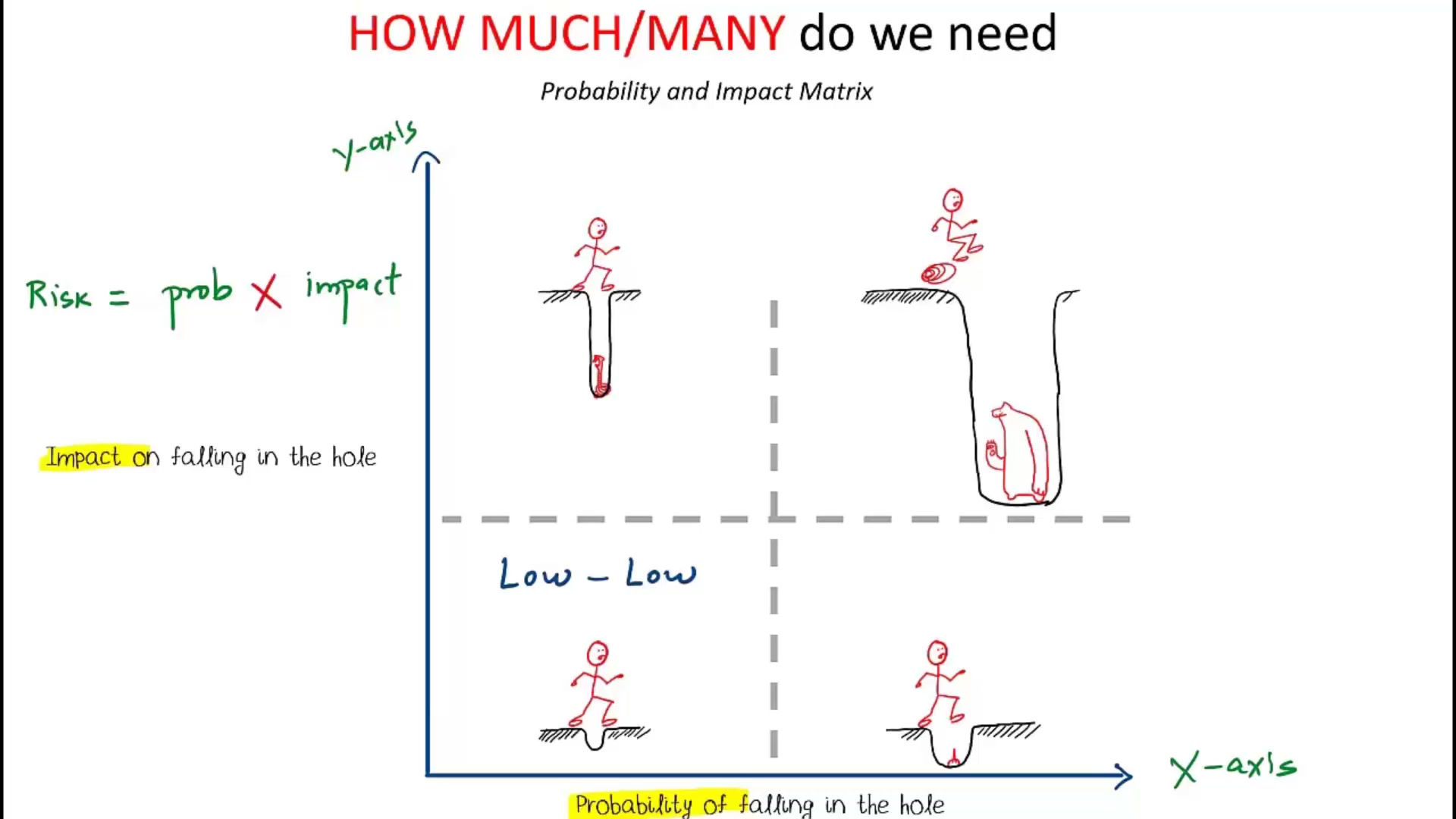
Figure 2: The Qualitative Probability & Impact Matrix — Plotting Likelihood (X-axis) vs. Consequence Severity (Y-axis) using the 4 Pit Archetypes.
3. The 4 Pits of Qualitative Risk Analysis #
Once you have identified your uncertainties that matter, you perform Qualitative Risk Analysis. This is where we prioritize threats so we know where to invest our scarce time and contingency dollars.
To visualize this without getting trapped in abstract numbers, imagine yourself as the Project Manager walking across an obstacle-strewn terrain toward your project deliverable. In front of you lie four distinct pits:
Dimensions: Small diameter hole, shallow depth, soft dirt at the bottom.
Matrix Position: Low Probability / Low Impact.
The Project Reality: A minor dependency delay of half a day or a cosmetic typo on a secondary documentation page. If you step in it, you dust your knees off and keep walking.
Dimensions: Wide diameter (hard to step around), but shallow depth with a sharp rusty nail sticking up.
Matrix Position: High Probability / Low-to-Medium Impact.
The Project Reality: Common sprint friction, like minor API rate limits or recurring test environment configuration drift. You are almost guaranteed to step into it, and it will hurt and slow you down, but it won't kill the project.
Dimensions: Very narrow diameter (easy to step over), but inside lies a venomous coiled rattlesnake.
Matrix Position: Low Probability / High-to-Critical Impact.
The Project Reality: A critical third-party payment gateway outage during Black Friday, or a sudden departure of your solo lead architect. Unlikely to happen, but catastrophic if it does.
Dimensions: Massive 20-foot wide crater that is impossible to jump over, and at the bottom waits a 900-lb hungry grizzly bear.
Matrix Position: High Probability / Fatal Impact.
The Project Reality: Launching a non-compliant medical device without FDA approval, or committing to an unvetted hardware supplier with an 8-month backlog on a 3-month project. You are guaranteed to fall in, and the project will be terminated.
When you map your risks using this mental model, the classic PMP Probability and Impact Matrix stops being an academic exercise.
- X-Axis (Probability): How wide is the hole? Can your team easily step across it, or is it so wide that you are virtually certain to trip?
- Y-Axis (Impact): What is waiting at the bottom? Is it soft dirt (annoyance), a rusty nail (pain and delay), a venomous snake (critical emergency), or a hungry bear (project demise)?
4. The Risk Breakdown Structure (RBS): Organizing Chaos into Buckets #
Once you recognize that your landscape is filled with nails, snakes, and bears, how do you prevent your team from panicking?
You organize them. In PMBOK governance, we use the Risk Breakdown Structure (RBS)—a hierarchical decomposition of project risks categorized by their operational source.
Instead of dumping 50 mixed risks into a blender, the RBS groups them into structured parent categories:
- Technical Risks (The Equipment & Code): Software architecture debt, API latency, hardware failures, complex integration specs, unproven technology stacks.
- Project Management Risks (The Process & Team): Estimation errors, communication silos, resource contention, unrealistic milestone schedules, scope creep.
- External Risks (The Environment & Vendors): Regulatory shifts (FDA, GDPR), vendor supply chain disruptions, foreign exchange rate spikes, severe weather events.
The superpower of the RBS is ownership and roll-up visibility. When risks are categorized by source, every bucket gets an assigned owner: the CTO owns Technical Risks, the Delivery Lead owns Project Management Risks, and Procurement owns External Vendor Risks.
More importantly, it exposes Risk Concentration. If 80% of your catastrophic "Bear Pits" cluster under External Vendor Dependencies, you don't need more junior developers writing unit tests—you need a renegotiated vendor SLA or a secondary backup supplier.
5. The Strategic Rule: Stop Logging Pits, Start Building Bridges #
The ultimate goal of risk analysis is not to create an immaculate audit log. The goal is to safely deliver the project objective.
The next time you facilitate a risk workshop, throw away the lifeless checklist. Put up the landscape:
- Identify only the uncertainties that actually matter to your project baselines.
- Measure the pit diameter (Probability) and look down to see what's waiting at the bottom (Impact).
- Accept the empty holes, wear boots for the nails, carry antivenom for the snakes, and reroute your entire path around the hungry bears.
That is how elite project managers protect their teams, secure their budgets, and deliver on time.
Risk Breakdown Structure (RBS) & Qualitative Analysis Guide #
Review our foundational PMP Knowledge Hub guide covering hierarchical risk decomposition, roll-up exposure scoring, and exam-tested response formulas.
Lesson 8.06: Perform Qualitative Risk Analysis #
Watch the complete video breakdown of the Probability and Impact Matrix, Risk Breakdown Structure (RBS), and qualitative scatter plots in our PMP masterclass player.